Common Misconceptions About Rot and Water Damage in Historic Properties


Understanding Rot and Water Damage
When dealing with historic properties, rot and water damage are often misunderstood. These issues can significantly impact the integrity of older buildings. However, many people have misconceptions about how they occur and how to address them. By unraveling these myths, property owners and restorers can better protect these valuable structures.

Myth 1: All Rot Is the Same
A common misconception is that all rot is identical. In reality, rot can be categorized into two main types: dry rot and wet rot. Dry rot is caused by a specific type of fungus that thrives in damp, poorly ventilated conditions. Wet rot, on the other hand, occurs when timber is directly exposed to moisture. Understanding the difference is crucial for effective treatment.
Myth 2: Water Damage Is Always Visible
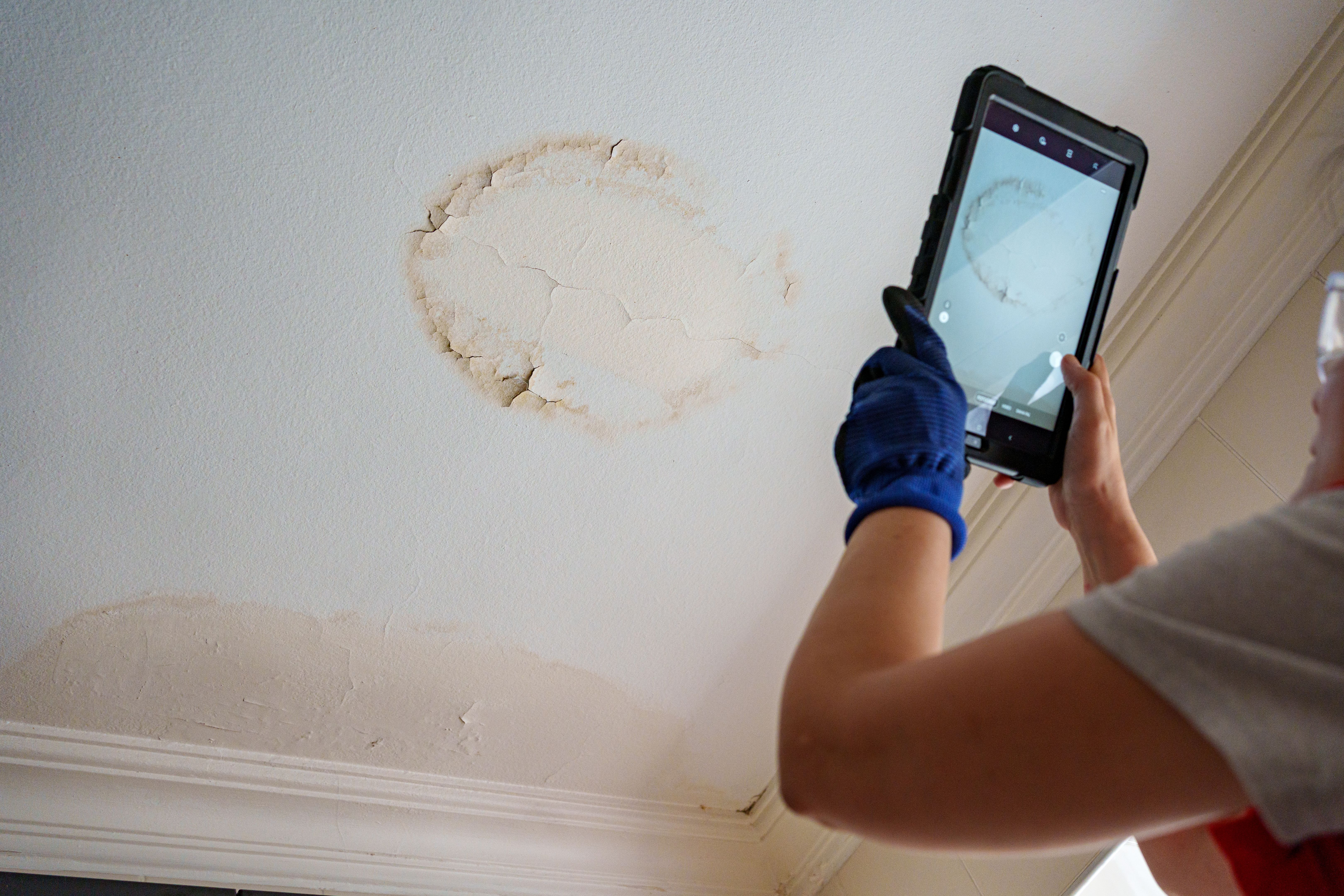
Another misconception is that water damage is always easy to spot. While some signs, like discoloration or peeling paint, are visible, water damage can also lurk behind walls or under floors. Regular inspections are essential to identify hidden damage before it causes more significant problems.
Addressing Rot and Water Damage
Once you understand the types of rot and how water damage can manifest, it's essential to know how to address these issues. Ignoring them can lead to severe structural problems in historic properties.
Myth 3: DIY Repairs Are Sufficient
Many property owners believe they can handle rot and water damage repairs themselves. While minor repairs might be manageable, most cases require professional expertise. Specialists can assess the extent of the damage and recommend appropriate solutions to ensure the integrity of the historic property.

Myth 4: Modern Materials Are Always Better
There's a belief that using modern materials is always better for repairing historic properties. However, this is not always true. Using materials that match the original construction is often more effective in preserving the building’s historical value and structural integrity. Consulting with experts in historic preservation can guide appropriate material choices.
Prevention and Maintenance
Preventing rot and water damage in historic properties is as important as addressing existing issues. Regular maintenance and proactive measures can save time and resources in the long run.
Myth 5: Historic Buildings Are More Prone to Damage
While historic buildings might seem more vulnerable, with proper care and maintenance, they can be as resilient as modern structures. Regular inspections, proper ventilation, and moisture control can significantly reduce the risk of rot and water damage.
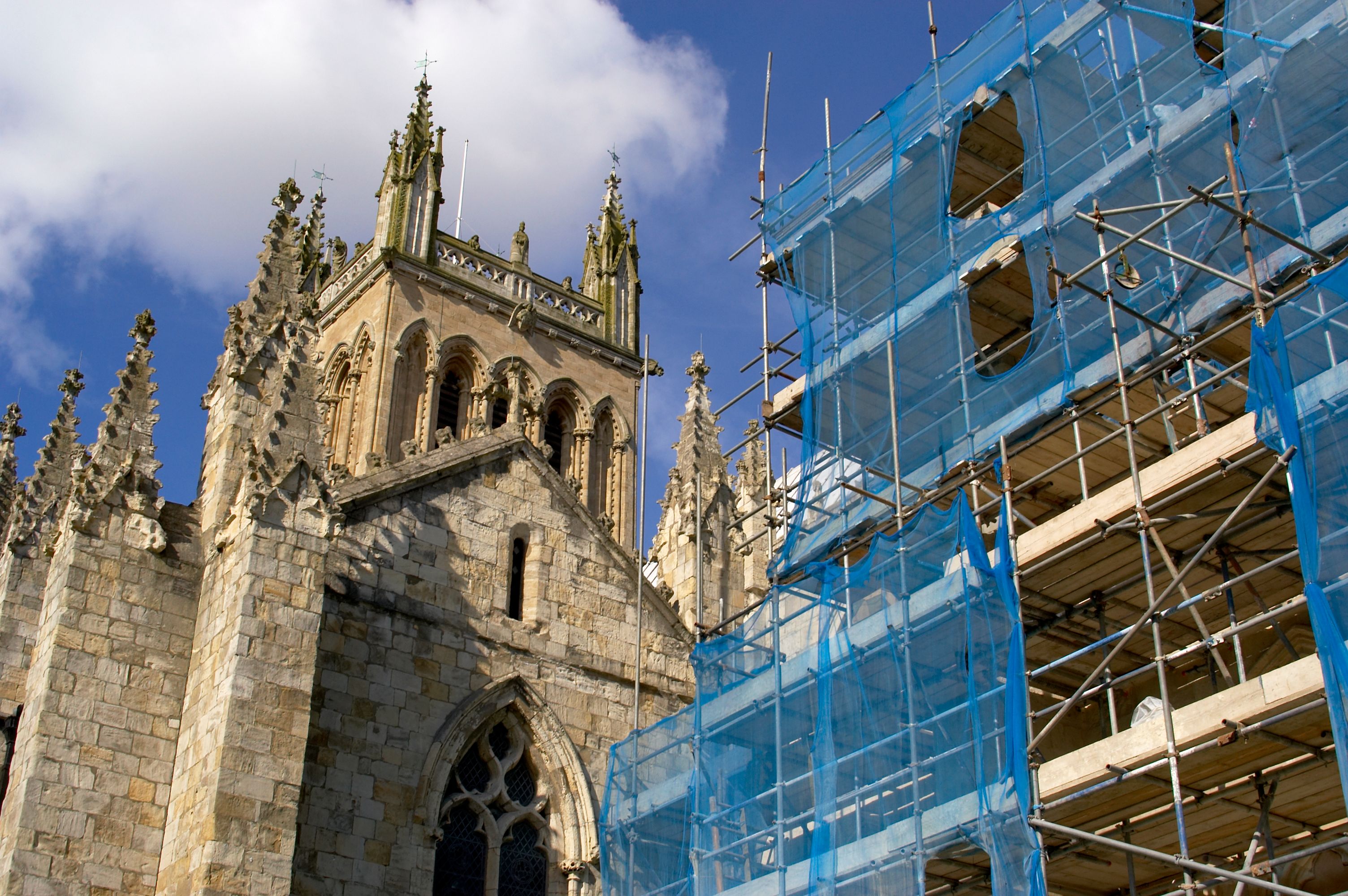
By dispelling these common misconceptions and understanding the nuances of rot and water damage, property owners can better preserve the charm and integrity of historic properties for future generations.