How to Identify and Remedy Rot and Water Damage in Older Homes


Understanding Rot and Water Damage
Older homes carry a certain charm and character that new constructions often lack. However, they also come with their own set of challenges, particularly when it comes to rot and water damage. Identifying these issues early is crucial to preserving the integrity and value of your home.
Signs of Rot and Water Damage
Recognizing the signs of rot and water damage is the first step. Look for discolored patches on walls or ceilings, which often indicate water infiltration. Another telltale sign is musty odors, suggesting mold growth. Also, pay attention to bubbling or peeling paint and warped floors.
Inspect wooden structures such as beams, joists, and flooring for signs of softness or crumbling, which are indicators of rot. If you notice any of these signs, it’s important to take action immediately to prevent further damage.
Common Areas Prone to Damage
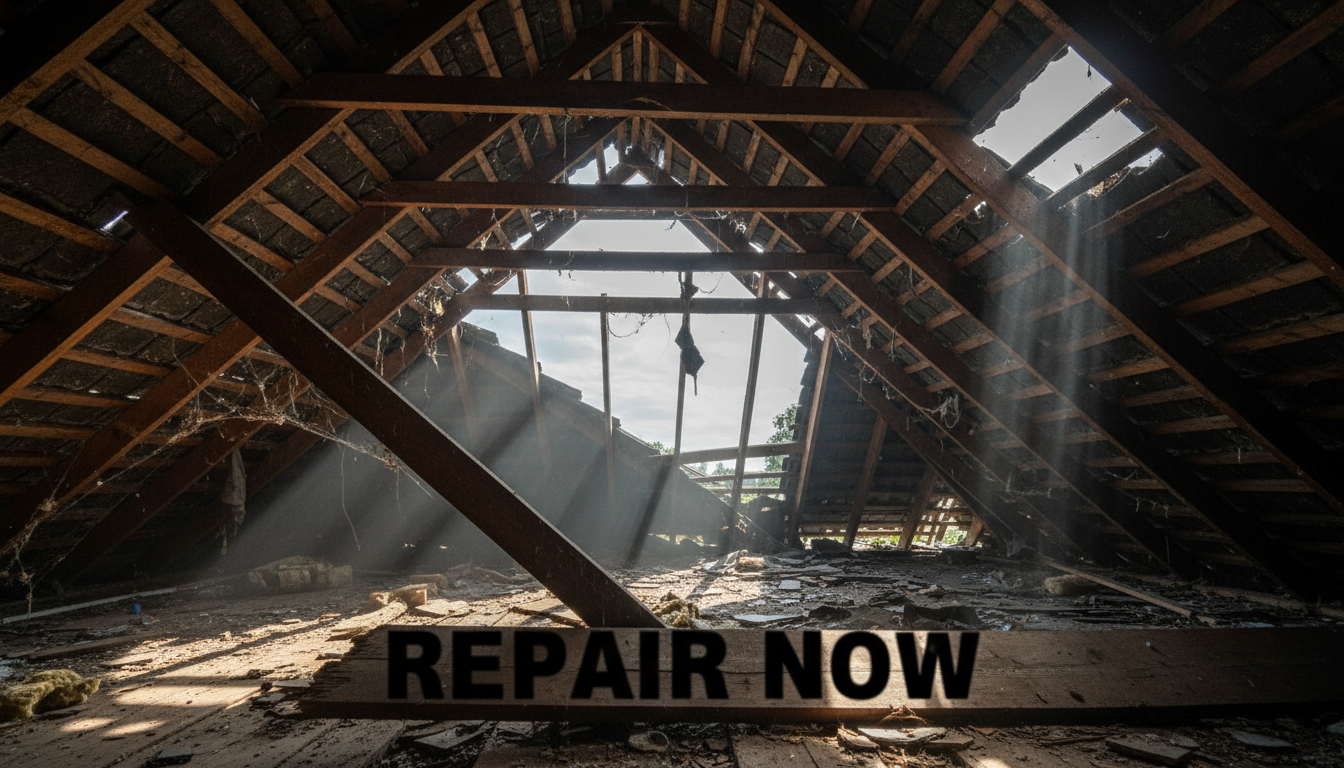
Older homes are particularly susceptible to water damage in certain areas. Basements and attics are common culprits due to their exposure to moisture from the ground and roof leaks, respectively. Additionally, check around windows and doors where seals might have deteriorated over time.

Conducting a Thorough Inspection
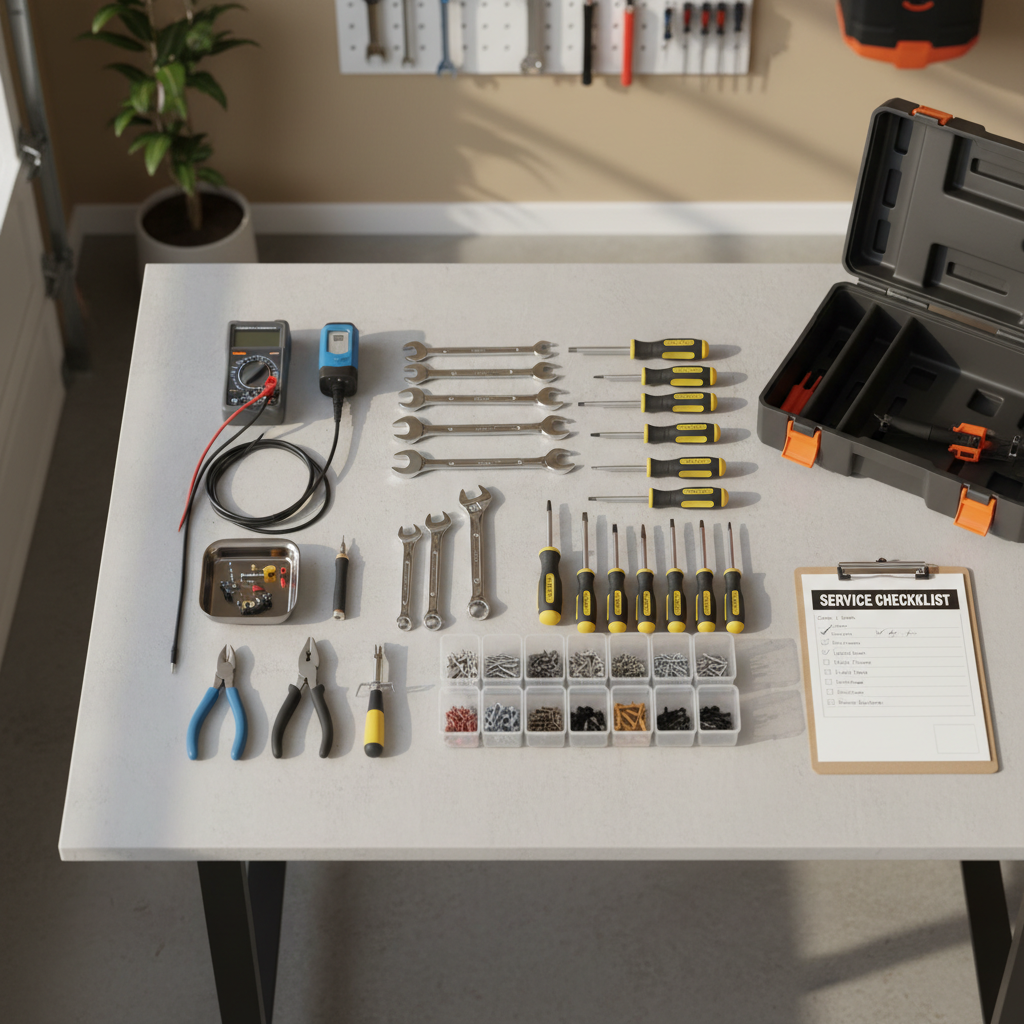
When inspecting your home, use a flashlight to check dark corners and hidden spaces. You may also want to employ a moisture meter to detect hidden dampness in walls and floors. Pay close attention to areas under sinks, around bathtubs, and behind appliances like dishwashers and washing machines.
It might be beneficial to bring in a professional inspector who can provide a detailed assessment and pinpoint areas of concern that might not be immediately visible to the untrained eye.
Remedying Rot and Water Damage
Once identified, the next step is to address the damage. For minor issues, you can start by removing any affected materials, such as rotted wood or moldy drywall. Ensure the area is completely dry before making repairs to prevent recurrence.
Prevention and Maintenance
To prevent future issues, regular maintenance is key. Ensure that gutters and downspouts are clear and functioning correctly to direct water away from your home. Consider installing a sump pump in the basement and ensure that all seals around windows and doors are intact.
Regularly inspect your roof for missing or damaged shingles and repair them promptly. Additionally, maintaining a consistent indoor humidity level can help prevent mold growth.
When to Call in the Experts
While some repairs can be handled independently, extensive damage, particularly involving structural components, should be left to professionals. They have the expertise and tools necessary to address the root of the problem effectively, ensuring your home remains safe and secure.
Water damage and rot in older homes is a common challenge, but with diligence and prompt action, it can be managed effectively, preserving the beauty and value of your home for years to come.