Preserving Historic Charm: A Guide to Restoration Carpentry for Older Homes


Understanding the Importance of Restoration Carpentry
Restoration carpentry plays a crucial role in preserving the historic charm of older homes. These structures are more than just buildings; they are a testament to the craftsmanship and architectural styles of their time. By maintaining their original features, we honor the past while creating a unique living environment.
Unlike modern construction, restoration carpentry requires a detailed understanding of traditional building techniques and materials. The goal is to maintain the integrity of the original design while ensuring the home meets today's standards for safety and comfort.
Assessing the Condition of Your Historic Home
Before beginning any restoration project, it's essential to assess the condition of your home. This involves a thorough inspection of the structure, including the foundation, roof, and woodwork. Identifying areas that need attention will help prioritize your efforts and budget.
Consider hiring a professional with experience in historic homes to guide the assessment process. They can provide valuable insights into the materials and techniques used in your home's original construction, which can inform your restoration strategy.
Choosing the Right Materials
When restoring an older home, using the right materials is critical to maintaining its authenticity. Traditional materials like wood, stone, and lime plaster not only match the original construction but also allow the building to breathe, preventing moisture buildup and decay.
Modern materials may offer convenience but can lead to long-term damage if incompatible with the original structure. It's important to source materials that match the original as closely as possible, both in appearance and function.

Preserving Architectural Details
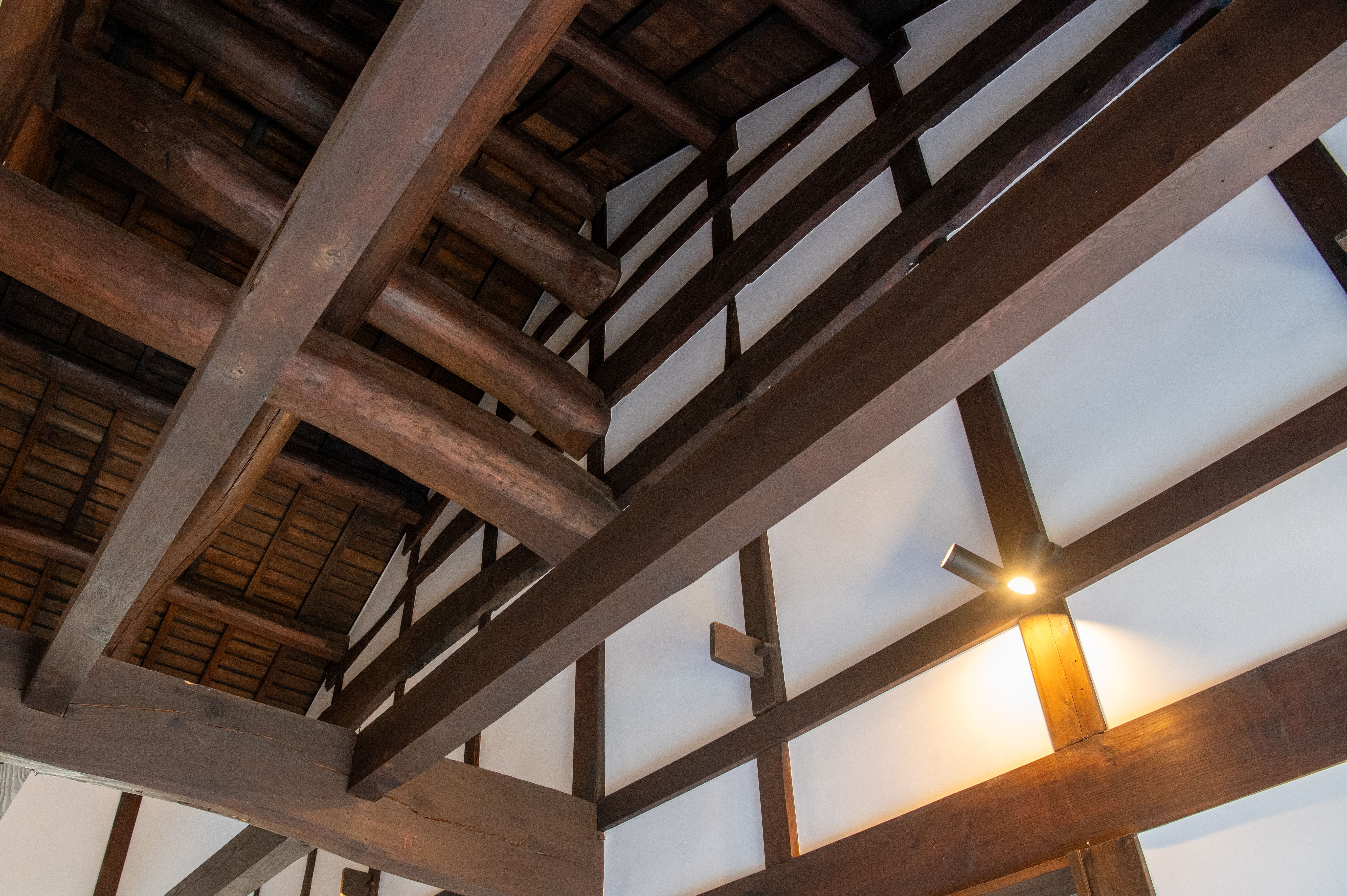
Architectural details are often the most striking features of older homes. Elements like crown molding, wooden beams, and intricate carvings add character and charm. Preserving these details requires skilled craftsmanship and patience.
In some cases, damaged details can be repaired, but if replacement is necessary, strive to replicate the original craftsmanship. This attention to detail can significantly enhance the overall aesthetic and value of the home.
Incorporating Modern Amenities
While preserving historic charm is essential, incorporating modern amenities is equally important for comfort and functionality. Updates to plumbing, electrical systems, and insulation can be made without compromising the home's character.
Work with professionals who specialize in blending modern convenience with historic preservation. This ensures that updates are seamlessly integrated, maintaining the home's aesthetic appeal.

Maintaining Your Restored Home
Once restoration is complete, ongoing maintenance is crucial to preserve the structural integrity and beauty of your home. Regular inspections and timely repairs can prevent minor issues from becoming major problems.
Consider creating a maintenance schedule that includes tasks like repainting, roof inspections, and wood treatment. This proactive approach will help protect your investment and keep your home looking its best for years to come.