Preserving the Charm: How to Restore Historic Homes in Rhode Island


Understanding the Significance of Historic Homes
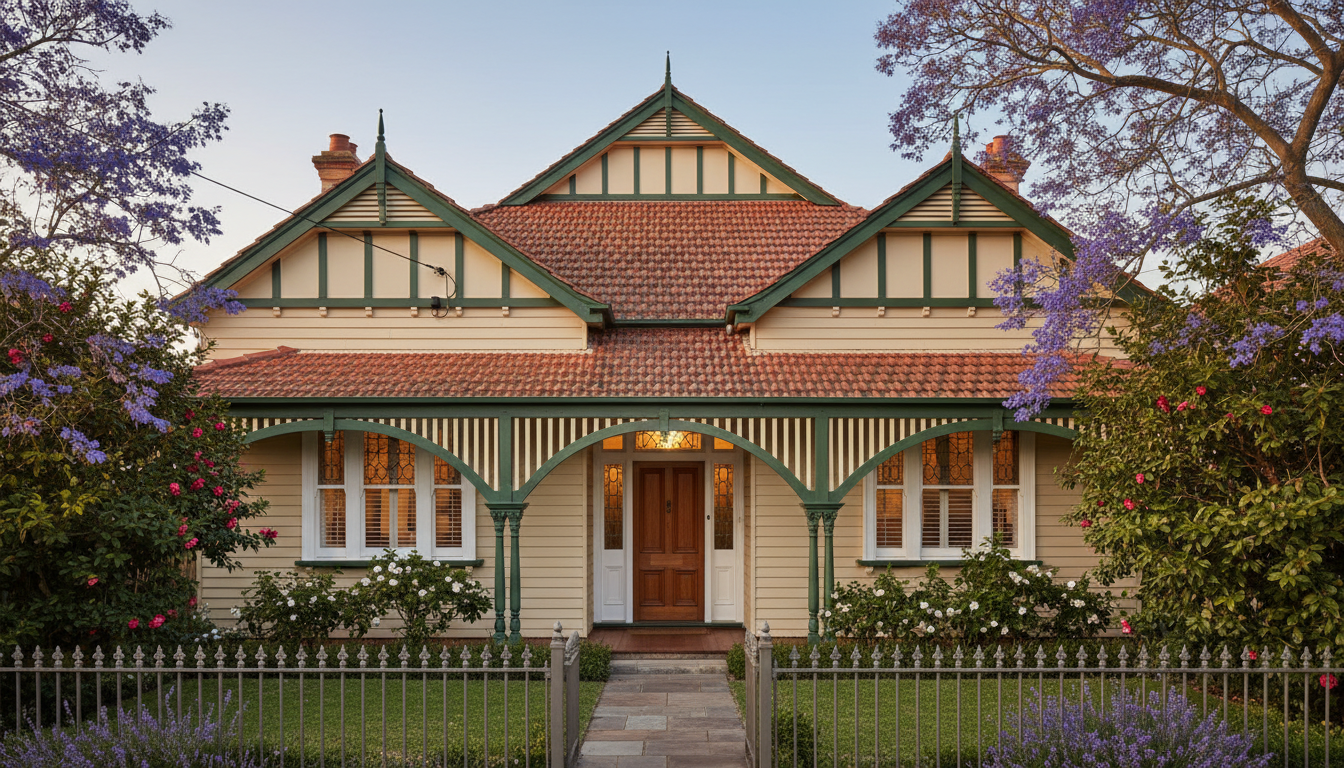
Rhode Island, with its rich history and architectural diversity, is home to numerous historic residences. These homes are not just structures; they are windows into the past, showcasing the unique styles and craftsmanship of different eras. Restoring a historic home is a rewarding endeavor that preserves cultural heritage and enhances community character.
Restoration requires a delicate balance between maintaining authenticity and integrating modern conveniences. It's vital to approach the process with respect for the original design while ensuring the home meets today's living standards.
Starting with a Thorough Assessment
The first step in restoring a historic home is a comprehensive assessment. This involves examining the structural integrity, identifying any damage, and understanding the original materials and construction techniques used. Hiring an experienced architect or conservation specialist can provide valuable insights into the home's history and condition.
A detailed assessment helps in planning the restoration process, determining what needs immediate attention, and estimating costs. It's essential to document existing conditions through photographs and sketches to guide future work.
Preserving Original Features
One of the primary goals in restoring a historic home is to preserve its original features. Elements like woodwork, moldings, fireplaces, and windows often define the character of these homes. Retaining these features not only maintains the home's historical value but also adds unique charm.
When original materials are beyond repair, sourcing similar materials is crucial. Utilize local suppliers or specialized craftsmen who understand the nuances of historic materials and can provide authentic replacements.

Incorporating Modern Amenities
While preserving historic charm is essential, incorporating modern amenities can vastly improve comfort and functionality. Upgrading electrical, plumbing, and HVAC systems ensures the home meets current safety standards and enhances energy efficiency.
When integrating modern technology, aim for solutions that minimize alteration to the home's structure. For example, wireless technology can reduce the need for invasive wiring, preserving walls and ceilings.
Navigating Legal and Financial Considerations
Restoration projects often involve navigating various legal and financial considerations. Many historic homes are subject to local preservation laws that dictate what changes can be made. Understanding these regulations is crucial to avoid costly mistakes.
Additionally, various grants and tax incentives may be available for historic restoration projects. Researching and applying for these can significantly offset restoration costs and make the project more financially viable.

Engaging the Community
Restoration projects can greatly benefit from community engagement. Involving local historical societies or neighborhood groups can provide additional resources and support. These organizations often have valuable historical records and insights that can aid the restoration process.
Community involvement not only enriches the project but also fosters a sense of pride and stewardship in preserving local heritage.
Embracing the Rewards of Restoration
Restoring a historic home in Rhode Island is a labor of love that requires dedication, patience, and a deep appreciation for the past. The rewards, however, are immense. A successfully restored home stands as a testament to history, providing a beautiful and unique living space that can be enjoyed for generations.
Whether you're a seasoned restorer or a first-time homeowner, the journey of bringing a historic home back to life is an opportunity to connect with the past and contribute to the future of your community.