
Revitalizing Historic Staircases: Techniques for Safe and Stylish Modifications


Understanding the Importance of Historic Staircases
Historic staircases are more than just functional structures; they are integral to the architectural heritage and charm of a building. These staircases often boast unique designs, intricate details, and craftsmanship that represent the era in which they were built. However, as beautiful as they are, these staircases can sometimes pose safety hazards due to wear and age.
Identifying Common Issues
Before undertaking any modifications, it's crucial to identify common issues associated with historic staircases. Typical problems include worn treads, loose railings, and outdated materials. These issues can compromise safety and detract from the staircase's aesthetic appeal.
Techniques for Safe Modifications
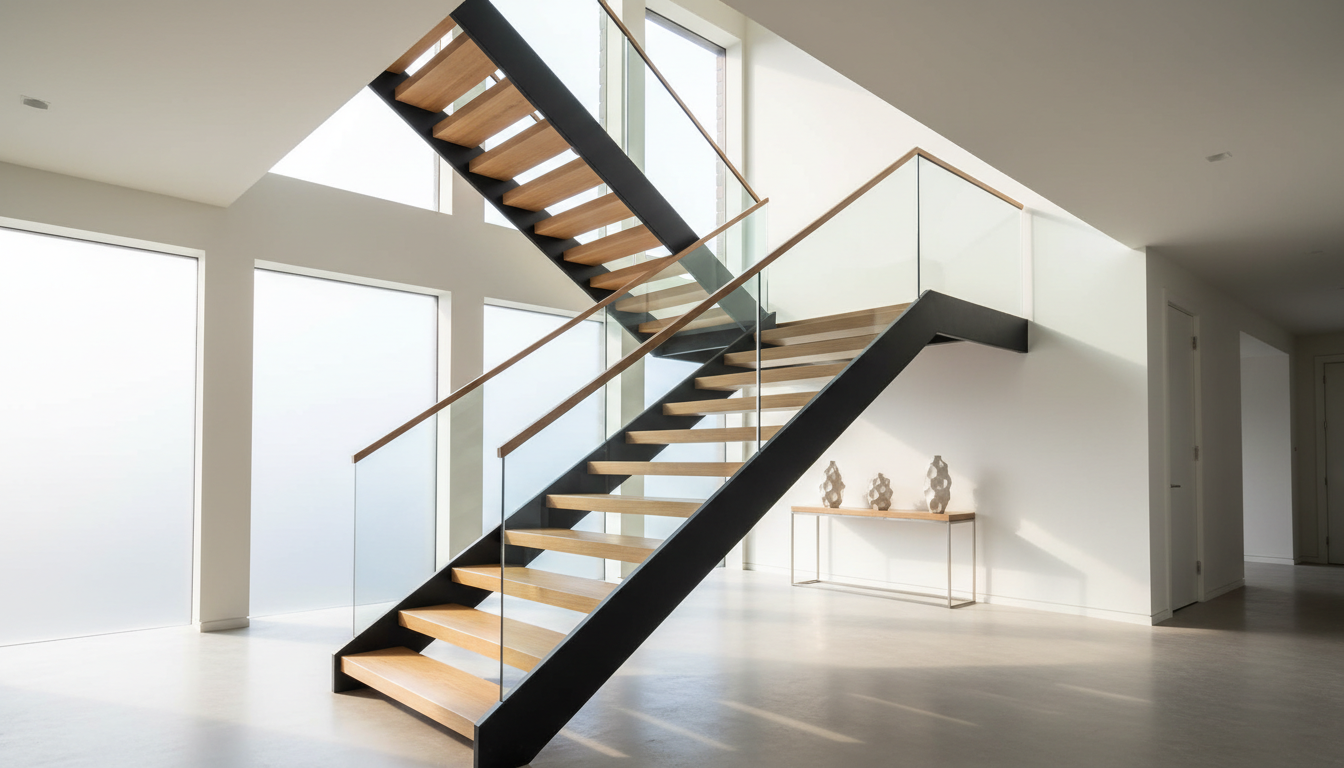
Ensuring safety while maintaining the historic integrity of staircases requires careful planning and execution. Here are some techniques to consider:
- Structural Reinforcement: Strengthening the framework and supports without altering the appearance can enhance safety.
- Material Upgrades: Replacing worn-out materials with modern, durable options that mimic the original can improve longevity.
- Lighting Enhancements: Installing subtle lighting can increase visibility and safety without impacting the historic look.
Preserving Aesthetic Value
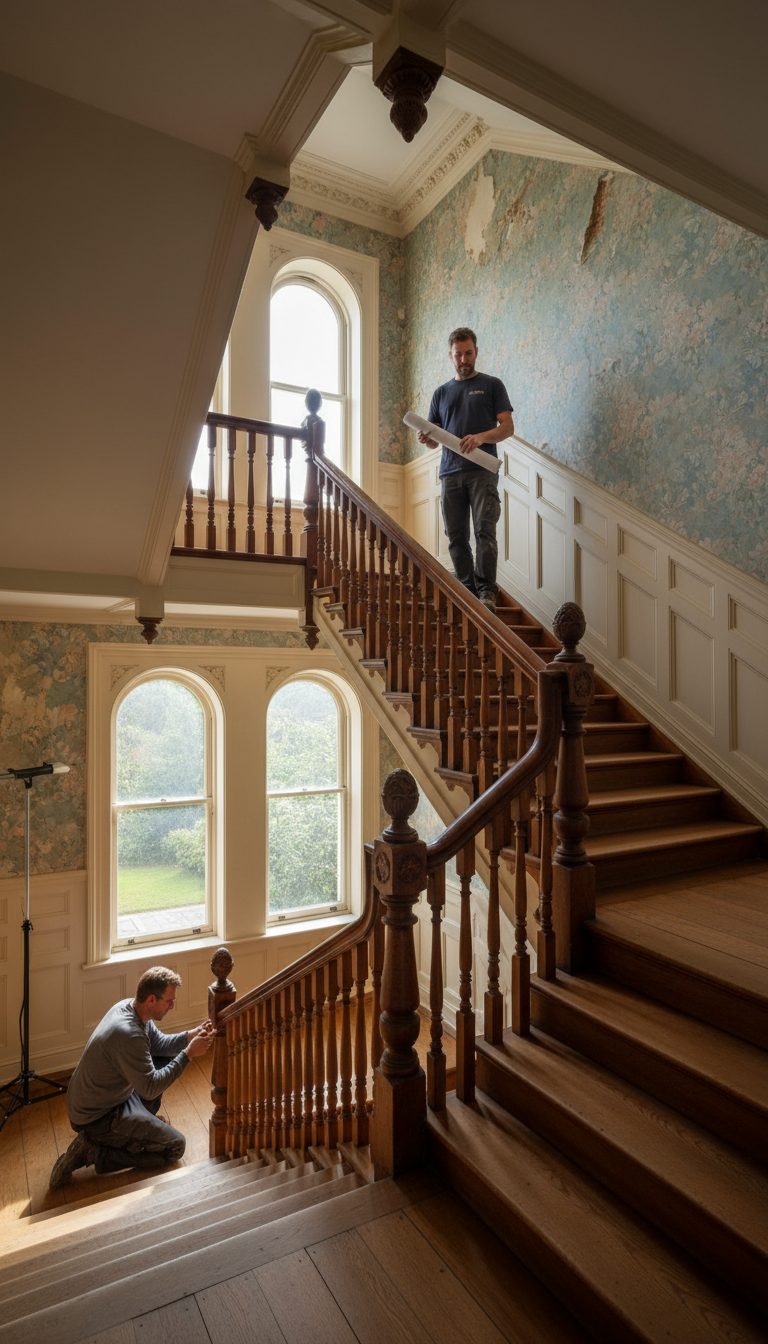
While modifications are necessary for safety, preserving the staircase's aesthetic value is equally important. Techniques such as using historically accurate materials and finishes can help retain the original look and feel. Consulting with preservation experts can provide insights into the best practices for maintaining authenticity.
Incorporating Stylish Modifications
In addition to safety, adding stylish elements to historic staircases can enhance their beauty. Consider the following options:
- Custom Carpeting: Adding custom carpeting with period-appropriate patterns can bring a touch of elegance.
- Decorative Railings: Replacing or refurbishing railings with decorative designs can elevate the overall design.
- Artistic Touches: Incorporating artwork or murals on walls adjacent to the staircase can create a cohesive look.
Balancing Modern Needs with Historic Charm
When revitalizing historic staircases, balancing modern needs with historic charm is essential. This might involve integrating modern amenities like handrails or non-slip surfaces while ensuring they blend seamlessly with the original design. This approach ensures the staircase remains a functional and beautiful part of the building.
Ensuring Compliance with Regulations
It's important to ensure that any modifications comply with local building codes and preservation guidelines. Working closely with regulatory bodies can help avoid potential legal issues and ensure the staircase's safety and historical significance are preserved.
Revitalizing historic staircases is a rewarding endeavor that merges the past with the present. By focusing on safety, aesthetics, and compliance, you can transform these architectural treasures into functional, stylish features that continue to tell their story for generations to come.